Wildflowers, Thistles, Prickly Leaves Review
As a designer who has spent years navigating the delicate balance between digital files and physical thread, I approach every new machine embroidery design with a mix of excitement and skepticism. The market is flooded with generic floral motifs, so when I encountered Wildflowers, Thistles, Prickly Leaves, my immediate reaction was to assess its potential beyond the screen. This specific embroidery file promises a rustic, untamed aesthetic that feels distinct from the polished perfection often seen in commercial catalogs. Before integrating it into any client project or small shop product line, I needed to understand how these prickly leaves and wild blooms translate from pixels to fabric.
The Visual Mood and Design Personality
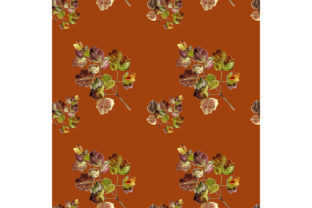
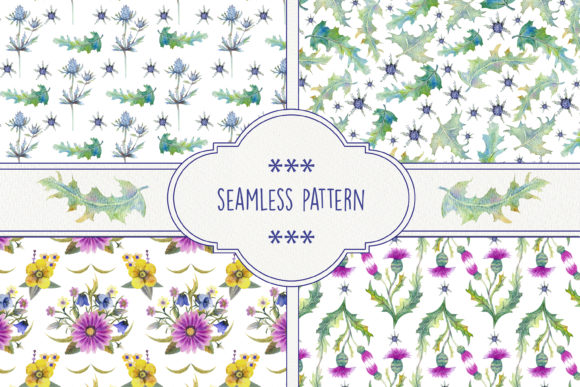
The first impression of Wildflowers, Thistles, Prickly Leaves is one of organic chaos controlled by skilled composition. Unlike standard floral arrangements that feel staged, this design captures the essence of a meadow after a summer rain. The inclusion of thistles adds a layer of texture and edge that many Patterns lack. Visually, the layout suggests movement; the flowers are not static but seem to sway, which is crucial for creating dynamic custom apparel. The visual personality is earthy and resilient, making it an ideal candidate for brands targeting customers who value nature-inspired, handmade aesthetics over mass-produced trends.
When I visualize this as a tote bag design, the contrast between the soft petals and the sharp thistle spines creates a compelling focal point. It suggests durability and character. For a boutique owner looking to elevate their brand consistency, this motif offers a unique signature. It avoids the cliché of simple daisies while remaining accessible enough for a wide audience. The detail level is high, but it does not appear cluttered, which is a common pitfall in complex digital embroidery files.
Real-World Application: A Custom Sweatshirt Scenario
To truly evaluate Wildflowers, Thistles, Prickly Leaves, I imagined a real-life scenario: preparing a limited-run collection of heavyweight cotton sweatshirts for a local craft fair. The goal was to create a finished product that felt premium and worth the price point. In this context, the design shines. Placing the motif on the left chest of a charcoal gray sweatshirt allows the natural colors of the flowers to pop against the dark background. The satin stitch used for the thistle outlines would provide a glossy finish that contrasts beautifully with the matte fill stitch of the flower centers.
This application highlights the design's versatility. It works equally well as a large back print for a statement piece or as a smaller accent on the cuff of a sleeve. For an Etsy seller focusing on personalized gifts, this design could be adapted for holiday embroidery projects, perhaps paired with a custom monogram. The rugged yet romantic theme appeals to a demographic that appreciates artisanal quality. When I consider the customer reaction, the tactile difference created by the varied stitch types in Wildflowers, Thistles, Prickly Leaves often leads to higher engagement. Customers can feel the craftsmanship, which builds trust and justifies a higher price tag for the handmade product.
Navigating Fabric Challenges and Placement
However, even the most beautiful embroidery project requires careful consideration of the substrate. While Wildflowers, Thistles, Prickly Leaves is visually stunning, it demands respect for stitch density and fabric texture. On thin fabrics like silk or lightweight linen, the dense areas of the thistle spines could cause puckering if the wrong stabilizer is used. I strongly advise testing this design on scrap fabric first, especially if you plan to use it on stretchy materials like jersey knit for t-shirts. The tension required to render the fine details of the prickly leaves might distort the fabric without adequate support.
Furthermore, placing this design on curved surfaces, such as caps or hats, requires caution. The intricate details of the wildflowers might get lost or look distorted on the rounded crown of a cap unless the hoop size is perfectly matched to the curve. For baby embroidery items, such as onesies or bibs, the sharpness of the thistle imagery should be softened or simplified to ensure it remains age-appropriate and safe, avoiding any overly aggressive visual elements that might concern parents.
Technical Considerations for Professional Results
From a technical standpoint, the success of Wildflowers, Thistles, Prickly Leaves hinges on your machine settings and color choices. The design likely relies heavily on running stitch for fine details and fill stitch for volume. If you are using this for commercial embroidery, you must review the thread colors carefully. A muted palette enhances the rustic vibe, but vibrant neon threads could clash with the natural theme. Always test the design in black and white mockups before committing to expensive thread purchases. This step helps you identify areas where the stitch density might be too high, leading to thread breakage or excessive bulk.
Another critical factor is the hoop size. Ensure your hoop accommodates the full span of the design without cutting off the trailing leaves or stems. Cropping a design like this can ruin its flow and make it look unfinished. If you are selling digital products or offering this as a download, clearly communicate the recommended hoop dimensions to your buyers. Misalignment here can lead to frustrated customers and negative reviews, damaging your reputation as a small business owner.
Strategic Use for Branding and Sales
For creative entrepreneurs, Wildflowers, Thistles, Prickly Leaves serves as more than just decoration; it is a branding asset. Using this motif consistently across various design assets, such as packaging tags, website graphics, and actual embroidered patches, creates a cohesive brand identity. An embroidered patch featuring this design can be sewn onto denim jackets, backpacks, or aprons, adding a touch of uniqueness that printed logos cannot achieve. The tactile quality of the patch increases the perceived value of the item, encouraging repeat business.
However, always confirm licensing terms before using this embroidery file for commercial embroidery or selling finished goods. Some designs are strictly for personal use, while others allow for limited commercial sales. Ignoring this can lead to legal issues that could shut down a craft business. Additionally, consider the washing durability. Designs with high stitch counts on items like kitchen towels or aprons must withstand frequent laundering. Test wash a sample to ensure the threads do not fade or fray, maintaining the professional look of your finished product.
Final Verdict on Practicality and Appeal
In conclusion, Wildflowers, Thistles, Prickly Leaves is a robust and evocative choice for designers who want to inject personality into their work. It bridges the gap between whimsical charm and rugged durability, making it suitable for everything from holiday gifts to apparel decorators seeking a standout motif. Its strength lies in its ability to tell a story through texture and form. By paying attention to fabric selection, stabilizer use, and color harmony, you can transform this machine embroidery design into a best-selling item that resonates with customers.
Whether you are a hobbyist creating personalized gifts or a seasoned Etsy seller scaling up production, this design offers ample opportunity for creativity. Just remember to treat it with the care it deserves: test thoroughly, stabilize properly, and choose your placement wisely. When executed correctly, Wildflowers, Thistles, Prickly Leaves will not only enhance the visual appeal of your projects but also reinforce the quality and thoughtfulness of your brand.