Summer Digital Papers, Lemons Patterns Review
As a designer who has spent years translating digital files into tangible thread and fabric, I approach every new asset with a mix of excitement and skepticism. The market is flooded with generic machine embroidery design files that look great on a screen but fall apart under the needle. When I first opened Summer Digital Papers, Lemons Patterns, my goal was simple: determine if this could be a reliable workhorse for my upcoming summer collection or just another pretty image destined for the trash bin.
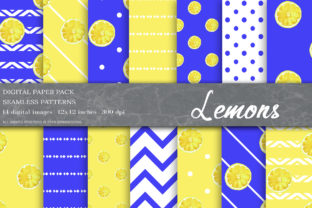
The immediate visual impact of Summer Digital Papers, Lemons Patterns is refreshing. It captures that bright, zesty mood we all crave when planning seasonal projects. The layout feels balanced, avoiding the cluttered chaos that plagues many freebie designs. However, seeing a pattern on a monitor is vastly different from watching it stitch out on a tote bag design or a delicate baby garment. Let's dive into how this specific file performs in real-world scenarios, where the true test of any embroidery project begins.
First Impressions: Mood and Visual Personality
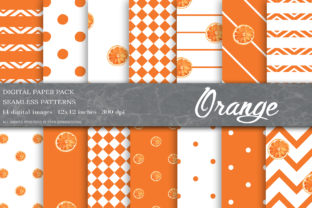
At first glance, Summer Digital Papers, Lemons Patterns exudes a cheerful, vintage-inspired aesthetic. The lemons are stylized rather than hyper-realistic, which is a smart move for embroidery. Highly detailed photographic realism often translates poorly to thread, resulting in muddy colors and excessive stitch density. Instead, this design uses clean lines and bold shapes that suggest a modern take on classic botanical prints.
For a craft business owner looking to create cohesive branding, the visual personality here is distinct. It screams "summer refreshment" without being cliché. If you are an Etsy seller preparing your shop for the June rush, this pattern offers a strong thematic anchor. It works well as a standalone motif or as part of a larger repeating background, provided you manage the spacing correctly. The color palette implied by the design suggests vibrant yellows, fresh greens, and perhaps some soft cream or white accents, which are universally appealing for custom apparel.
Real-World Application: From Screen to Stitch
To truly evaluate Summer Digital Papers, Lemons Patterns, I imagined using it for a specific client request: a set of personalized kitchen towels and a limited run of embroidered tote bags. In these contexts, the design needs to hold up against frequent washing and rough handling.
When visualizing this on a cotton tea towel, the lemon motifs would likely benefit from a combination of satin stitch for the outlines and a tight fill stitch for the body of the fruit. The key here is ensuring the thread colors pop against the natural fabric texture. On a white towel, the yellow lemons will shine, but on a beige or light grey linen, you might need to adjust the saturation of the yellow to maintain contrast. This is where Summer Digital Papers, Lemons Patterns shines; its clean edges allow for crisp definition even on textured fabrics like canvas or heavy cotton.
For custom apparel, specifically a lightweight summer t-shirt or a linen shirt, the placement becomes critical. A large repeat of the pattern across the back of a sweatshirt might be too heavy for thin jersey knit. Instead, I would recommend using this as a chest logo or a small accent on the sleeve. The design scales surprisingly well, meaning it could also work perfectly for a baby embroidery item, such as a bib or a onesie pocket, where a single lemon motif adds a touch of whimsy without overwhelming the garment.
Considerations for Specific Products
- Tote Bags: The sturdy canvas of a tote bag is ideal for this design. You can use a heavier stabilizer to prevent puckering, allowing for a bolder, more dimensional look.
- Caps and Hats: Curved surfaces require careful attention. While the main shapes of the lemons are forgiving, any tiny details in the leaves might get lost on the curve of a cap panel. Simplification might be necessary.
- Pillow Covers: For home decor, this pattern creates a lovely focal point. Centering the design on a solid-colored pillow cover creates a boutique-quality finished product that customers love for holiday gifts or nursery decor.
- Embroidered Patches: If you plan to sell patches, this design is excellent. The clear outlines make for easy weeding and finishing, ensuring high quality for your small shop product line.
Navigating Challenges and Limitations
No design is perfect for every situation, and Summer Digital Papers, Lemons Patterns has its limits. One area requiring caution is dark fabric. Without a backing layer or a dense underlay, the yellow thread might disappear against navy blue or black material. You would need to ensure your digital embroidery file includes a solid fill underlay or consider using a light-colored applique base if the design supports it.
Another concern is stretchy fabric. If you attempt to embroider this on spandex or a very loose knit without the proper stabilizer, the tension from the running stitch and fill areas could cause the fabric to pucker or distort. Always test the design on a scrap piece of the actual fabric you intend to use. This step is non-negotiable for professional results.
Furthermore, be wary of small hoop sizes. If you try to cram the entire repeating pattern into a 4x4 inch hoop, the lemons may become too small to stitch clearly. Tiny details, such as the seeds inside the lemons or the veins in the leaves, can turn into tangled knots if the stitch count is too high for the available space. In such cases, it is better to isolate a single element of the pattern rather than forcing the whole composition.
Practical Designer Notes for Success
If you decide to incorporate Summer Digital Papers, Lemons Patterns into your workflow, follow these practical steps to ensure a professional outcome:
- Test First: Always run a test stitch on scrap fabric. Check the stitch density to ensure there are no gaps in the fill or breaks in the satin stitches.
- Check Contrast: Preview the design in black and white mockups to see if the shapes remain distinct without color. This helps identify potential visibility issues on various backgrounds.
- Stabilizer Selection: Use a cutaway stabilizer for stretchy items and a tear-away for stable fabrics like denim or canvas. The right support makes all the difference in the final drape.
- Licensing Verification: Before selling personalized gift items or commercial embroidery products, confirm the licensing terms of the embroidery file. Ensure you have the right to sell finished goods or digital downloads.
- Color Matching: Match your physical thread colors carefully to the digital preview. Screen colors often differ from reality, so swatch testing is essential for brand consistency.
Final Verdict on Commercial Viability
In conclusion, Summer Digital Papers, Lemons Patterns is a versatile asset that brings genuine value to a creative entrepreneur's toolkit. It strikes a balance between artistic flair and technical feasibility. For the handmade product maker, it offers a way to elevate simple items into desirable holiday embroidery gifts or year-round boutique merchandise.
The design respects the limitations of the medium while maximizing visual appeal. It enhances customer trust because the finished result looks polished and intentional. Whether you are creating a one-off personalized gift for a friend or scaling up for a craft fair booth, this pattern provides a solid foundation. Just remember to respect the fabric, choose your stabilizer wisely, and always test before you commit to a full production run. With these precautions, Summer Digital Papers, Lemons Patterns can be a standout addition to your portfolio of design assets.