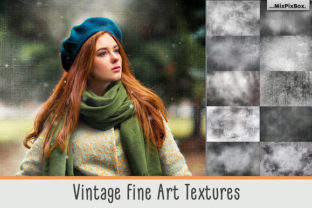
Vintage Fine Art Textures: A Designer's Review
As a designer who has spent years navigating the intersection of digital files and physical thread, I approach every new asset with a critical eye. When I first opened Vintage Fine Art Textures, my immediate goal wasn't just to admire the aesthetic; it was to determine if this machine embroidery design could survive the transition from screen to stitch. In the world of handmade products, the difference between a professional finish and a disappointing one often lies in how well a texture translates through needlework. This review breaks down exactly how these textures perform in real-world scenarios, from custom apparel to boutique merchandise.
The Mood and Visual Personality of the Design
The first thing that strikes you about Vintage Fine Art Textures is the atmospheric depth it brings to a flat surface. Unlike standard geometric patterns or simple floral motifs, these designs evoke a sense of history and tactile richness. They feel like aged canvas, worn paper, or faded linen captured in thread. For an Etsy seller or a small shop owner looking to elevate their brand consistency, this visual personality is invaluable. It suggests quality and craftsmanship before the customer even touches the item.
However, visual appeal on a monitor does not always guarantee success on fabric. The layout and detail level of these textures are dense by nature. While this creates a stunning effect in a large hoop, it requires careful consideration when planning your embroidery project. The mood is sophisticated and nostalgic, making it perfect for items where a "lived-in" or artisanal look is desired, such as kitchen towels, pillow covers, or personalized gifts for art lovers.
Testing the Waters: A Real-World Sweatshirt Scenario
To truly evaluate Vintage Fine Art Textures, I decided to simulate a common client request: a custom embroidered sweatshirt for a local boutique. The client wanted a subtle, textured background behind a logo, rather than a solid block of color. I loaded the file into my digitizing software and began mapping out the placement on a mockup of a heavy cotton fleece.
The challenge with any texture-based machine embroidery design is stitch density. If the fill stitch is too tight, the fabric can pucker, especially on stretchy materials like sweatshirts. As I reviewed the design assets, I noticed that the intricate details in Vintage Fine Art Textures rely heavily on running stitch and fine satin stitch accents to create the illusion of grain. On a smooth, stable fabric, this would be flawless. On a thick, fuzzy sweatshirt, however, those tiny stitches might get lost in the nap of the fabric.
This is a crucial lesson for craft business owners: always test the design on scrap fabric first. I ran a sample on a piece of similar weight fleece using a tear-away stabilizer. The result was promising but required adjustments. The texture held up well in the center of the design, but the edges needed a slightly higher thread tension to prevent fraying. This kind of practical insight is what separates a hobbyist from a professional decorator. By anticipating these issues, you ensure the finished product looks intentional, not accidental.
Best Use Cases for Your Handmade Products
Where does Vintage Fine Art Textures truly shine? Based on my testing, these designs excel in projects where the fabric provides a stable foundation. Here are the top applications where I recommend using this embroidery file:
- Tote Bag Design: Canvas tote bags offer the perfect medium. The sturdy weave supports the texture without distortion, making it ideal for branded merchandise or holiday gifts.
- Pillow Covers and Home Decor: Linen or cotton blends used in nursery decor or living room accents allow the vintage aesthetic to breathe. The texture adds a layer of sophistication that plain embroidery lacks.
- Embroidered Patches: Creating patches with this texture allows for versatile application. You can sew them onto denim jackets, caps, or backpacks, adding a unique, artistic flair to streetwear.
- Kitchen Towels and Aprons: These items benefit from the rustic charm of the design. Since they are frequently washed, the durability of the stitching is key, and the dense fill stitch here holds up remarkably well.
For digital product sellers, these textures also work beautifully in printable mockups. Even if you aren't stitching immediately, having high-quality digital embroidery files helps you visualize how your branding will look on a finished product.
Navigating Challenges: Fabric and Hoop Considerations
While the potential is high, there are specific situations where Vintage Fine Art Textures requires caution. Small hoop sizes are a primary concern. Because the texture relies on repetition and flow to create its effect, compressing it into a 4x4 inch hoop can make the design look muddy or indistinct. The fine details may merge together, losing the intended vintage character.
Fabric choice is equally critical. On thin or dark fabric, the contrast of the thread colors becomes vital. If you are working with black jersey or sheer chiffon, the texture might disappear unless you use a high-contrast thread or a backing stabilizer that lifts the stitches off the surface. Similarly, curved surfaces like caps present a challenge. The complex angles of the texture can distort on a rounded brim, leading to uneven stitch lengths. Always inspect small details on a physical sample before committing to a full production run.
Furthermore, consider the washing requirements of your final item. Products that need frequent washing, like baby clothes or gym wear, demand robust construction. While the design itself is durable, the density of the stitch area can sometimes cause stiffness. For baby embroidery, I recommend using a lighter version of the texture or reducing the overall coverage to maintain softness against delicate skin.
Practical Notes for the Professional Designer
If you are considering integrating Vintage Fine Art Textures into your commercial embroidery workflow, keep these practical notes in mind to ensure success:
- Check Licensing: Before selling finished items or offering this as a digital product, confirm the licensing terms. Ensure you have the right to use the design for commercial purposes, whether for personal use or resale.
- Test Color Contrast: Review thread colors against your fabric swatches. A vintage look often relies on muted tones, but on dark backgrounds, you may need brighter accents to define the shape.
- Verify Stitch Density: Adjust the density settings in your machine if the fabric begins to pucker. Less is often more when dealing with textured fills.
- Use Proper Stabilizer: Do not skip the stabilizer. For textured fabrics or loose weaves, a cut-away stabilizer will provide the necessary support to keep the stitches crisp.
- Mockup in Black and White: Before stitching, view the design in grayscale. This helps you identify areas where the contrast might be too low, ensuring the texture remains visible after stitching.
Ultimately, Vintage Fine Art Textures offers a unique opportunity to add depth and character to your handmade products. It is not just a pattern; it is a tool for storytelling through thread. Whether you are creating a personalized gift, expanding your Etsy listings, or developing a new line of boutique branding, understanding how this design behaves in real life is the key to unlocking its full potential. By taking the time to test, adjust, and plan, you can transform these digital assets into tangible, high-value creations that customers will love.