Wet Paint Textures 13: A Designer's Review
As a designer who has spent years navigating the intersection of digital files and physical thread, I approach every new machine embroidery design with a mix of excitement and skepticism. The market is flooded with assets that look stunning on a screen but fall apart under the needle. That is why my review process always begins by asking a simple question: will this actually work when stitched onto fabric? Today, I am evaluating Wet Paint Textures 13, a texture pack that promises to add depth and realism to your projects. Before you download this embroidery file for your next client order or Etsy listing, let’s break down exactly how it performs in real-world scenarios.
First Impressions: Capturing the Fluidity of Paint
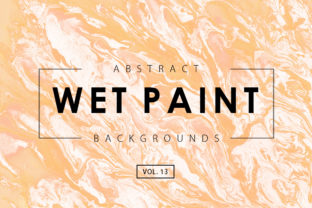
When I first opened the preview for Wet Paint Textures 13, the immediate visual impact was striking. Unlike rigid geometric patterns or standard floral motifs, this design set captures the organic chaos of wet paint. The mood is artistic, slightly edgy, and undeniably modern. It feels like something you would see in a high-end boutique rather than a generic craft fair stall. The layout suggests movement, with drips, splatters, and blended edges that mimic the way acrylics or watercolors behave on canvas.
For an embroidery project, this is a double-edged sword. The beauty lies in its irregularity, which breaks up the monotony of traditional fill stitches. However, the complexity of the shapes requires careful consideration. If you are looking to elevate a basic tote bag or a plain sweatshirt into a statement piece, this texture offers a unique selling point. It transforms a standard garment into a wearable art piece, appealing to customers who value handmade, personalized aesthetics over mass-produced graphics.
Real-World Application: From Screen to Stitch
To truly test the viability of Wet Paint Textures 13, I imagined using it on a custom embroidered tote bag for a local artist’s pop-up shop. The goal was to create a "studio vibe" accessory that felt authentic. In this scenario, the texture acts as a background element, allowing bold text or a logo to pop against the chaotic backdrop. When stitching this type of design, the interplay between fill stitch and running stitch becomes critical. The design relies heavily on varying densities to simulate the transparency of wet paint.
I also considered using this for sweatshirt embroidery. Heavy cotton fleece is a forgiving canvas, but the bulk of the fabric can sometimes swallow fine details. With Wet Paint Textures 13, the larger, more fluid shapes hold up well even on thicker materials. The texture adds a tactile dimension; customers love running their fingers over the raised stitches, feeling the difference between the dense areas and the lighter, airy sections. This tactile quality increases the perceived value of the finished product, making it easier to justify a higher price point for your small shop product.
Another promising application is in baby embroidery or nursery decor. While one might assume "wet paint" is too messy for a baby room, the softer color palettes available in this texture pack can create whimsical cloud-like formations or abstract animal silhouettes. On a pillow cover or a blanket, these textures soften the overall look, moving away from the harsh lines often found in children's designs. It creates a sophisticated, gallery-worthy feel that parents are increasingly seeking for their home decor.
Navigating Challenges: Where Caution is Needed
Despite its potential, Wet Paint Textures 13 is not a "set it and forget it" solution. There are specific situations where this design requires extra care. First, consider the hoop size. Because the textures are designed to flow and drip, they often need ample space to breathe. Attempting to cram these elements into a small 4x4 inch hoop can result in distorted shapes and uneven tension. Always check the dimensions before committing to a small embroidered patch or cap design.
Fabric choice is equally important. On thin or stretchy fabrics, such as jersey knits or silk, the density required to achieve the paint effect can cause puckering. You must use a high-quality stabilizer—likely a cut-away for stretchy materials—to prevent the fabric from warping. Additionally, if you are working with dark fabric, ensure that your thread colors provide enough contrast. Lighter threads on dark backgrounds highlight the texture beautifully, but without proper backing, the design may look muddy rather than vibrant.
Curved surfaces present another challenge. If you plan to use this for a cap embroidery project, be aware that the intricate drips and splatters might not lay flat on the brim. The curvature can distort the organic lines, making them look jagged. For curved applications, it is best to simplify the design or focus on the larger, bolder elements of the texture pack rather than the fine details.
Design Notes for Professional Results
If you decide to incorporate Wet Paint Textures 13 into your workflow, here are some practical steps to ensure success. Always test the design on scrap fabric first. This allows you to adjust the stitch density and verify that the "paint" effect translates correctly from the digital preview to the physical thread. Pay close attention to the transition areas between different stitch types; smooth transitions are key to maintaining the illusion of liquid paint.
Review the digital embroidery file settings carefully. Sometimes, reducing the stitch length slightly can help blend the colors more effectively, creating a smoother gradient. Also, consider creating printable mockups in black and white to assess the contrast levels before you start stitching. This helps you visualize how the design will appear on various fabric textures without wasting thread.
Finally, remember to confirm the licensing terms before selling items created with this design. Whether you are producing commercial embroidery for a brand or selling personalized gifts on Etsy, understanding what you can and cannot do with the design assets is crucial for protecting your business. Wet Paint Textures 13 offers a fantastic opportunity to stand out in a crowded market, but only if you approach it with the right technical knowledge and creative vision.
Final Verdict: A Valuable Asset for Creative Makers
In conclusion, Wet Paint Textures 13 is a powerful tool for designers who want to inject personality and artistic flair into their work. It moves beyond the limitations of standard vector graphics, offering a dynamic texture that enhances the visual appeal of custom apparel, home goods, and accessories. While it demands attention to detail regarding stabilizers, fabric choices, and hoop sizes, the reward is a handmade product that feels unique and professionally crafted.
For the Etsy seller or craft business owner looking to differentiate their brand, this texture pack provides the perfect edge. It encourages experimentation and allows for creative freedom, whether you are designing holiday gifts, wedding favors, or everyday essentials. By treating the design with respect and testing it thoroughly, you can turn these digital files into tangible pieces of art that your customers will cherish. Just remember: the magic happens not just in the file, but in the execution.