Floral Pattern Roses and Lily Vector Review
As a designer who has spent years translating digital files into tangible thread, I approach every new asset with a critical eye. When I first opened the Floral Pattern Roses and Lily Vector, my immediate reaction was one of cautious optimism. The visual composition is undeniably classic, blending the romantic fullness of roses with the elegant, trumpet-like silhouette of lilies. However, in the world of machine embroidery, a pretty vector does not always guarantee a beautiful stitch-out. My goal here is to walk you through how this specific design translates from screen to fabric, helping you decide if it belongs in your next collection or client project.
First Impressions: Mood and Visual Personality
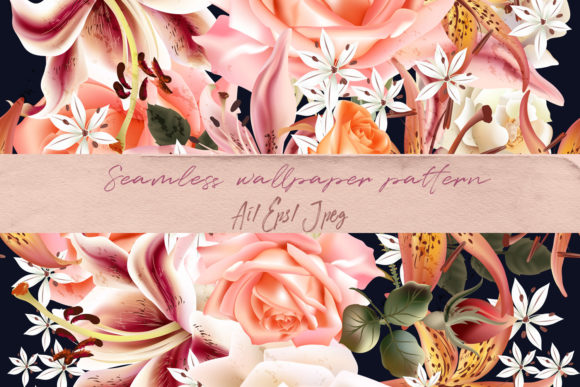
The initial viewing of this Patterns category asset suggests a timeless aesthetic. The layout feels balanced, avoiding the clutter that often plagues floral arrangements intended for small hoop sizes. The interplay between the rounded petals of the roses and the elongated lines of the lilies creates a dynamic rhythm. For an Etsy seller or boutique owner looking to create a cohesive brand identity, this design offers a sophisticated look that leans towards vintage charm rather than modern minimalism. It screams "handmade" in the best possible way, evoking feelings of spring gardens and heirloom quilts.
However, visual appeal on a monitor can be deceiving. The true test lies in how the lines interact when converted into satin stitch and fill stitch. In this vector, the line weights appear consistent, which is promising for maintaining definition after digitization. If you are planning to use this as a tote bag design or for sweatshirt embroidery, the flow of the flowers suggests they will drape well across the fabric without feeling static or boxed in.
Real-World Application: From File to Finished Product
Let's imagine a real scenario: You are preparing a batch of personalized gifts for a wedding shower. The bride loves botanical themes, and you want to create custom embroidered pillow covers. Using the Floral Pattern Roses and Lily Vector, the potential is high. The density of the floral elements allows for a rich, textured look that adds significant value to the finished product. Unlike sparse designs that might look flimsy on a thick linen cover, this pattern has enough substance to anchor itself visually.
For the craft business owner, this design also works exceptionally well for creating embroidered patches. The distinct outlines of the lilies and roses make them ideal candidates for applique-style digitization or dense fill stitching that holds up well against wear and tear. If you are selling these as standalone patches for denim jackets or hats, the intricate details provide a sense of craftsmanship that customers associate with higher price points. It transforms a simple garment into a statement piece.
Consider also the application on custom apparel. Placing this design on a cotton tote bag or a canvas apron allows the natural texture of the fabric to complement the organic shapes of the flowers. The design is versatile enough to be scaled down for a chest pocket logo on a shirt or enlarged for a back print on a hoodie, provided the digitization maintains the integrity of the smaller details.
Navigating Challenges: Where Caution Is Needed
Despite its strengths, the Floral Pattern Roses and Lily Vector requires careful handling in certain contexts. One area of concern is the use on stretchy fabrics like jersey knit or spandex blends. The complex curves of the lily petals can distort if the stabilizer is not robust enough, leading to puckering or uneven stitches. Similarly, on dark fabrics, the contrast of the thread colors becomes critical. Without proper color selection, the delicate inner details of the roses might get lost against a black background.
Another consideration is the hoop size. While the vector looks great on screen, attempting to fit the entire arrangement into a 4x4 inch hoop might force you to reduce the scale too much, compromising the clarity of the stitch density. Tiny lettering or fine lines within the floral centers could turn into muddy blobs if the machine cannot execute them at a reduced size. Always check the dimensions before committing to a project.
Furthermore, if you are working with textured fabrics like corduroy or heavy wool, the intricate nature of this design might struggle to sit flat. The raised pile of the fabric can interfere with the needle penetration, especially in areas where the running stitch or fine satin borders are used. In these cases, testing on scrap fabric is non-negotiable.
Impact on Brand Value and Customer Trust
Using a high-quality design like this directly impacts your reputation as a maker. A clean, well-executed machine embroidery design signals professionalism. When a customer receives a personalized gift featuring crisp, defined flowers, their trust in your brand increases. They perceive the item as durable and thoughtfully made. Conversely, a poorly executed version of this vector—where threads tangle or petals lose their shape—can damage your standing quickly.
For the small shop product creator, consistency is key. This floral pattern offers a recognizable motif that can be repeated across different items, such as tea towels, baby clothes, and holiday decorations, creating a unified look for your inventory. This consistency helps build brand recognition. Whether you are displaying printable mockups online or showcasing physical samples at a craft fair, the visual impact of the roses and lilies draws the eye and encourages engagement.
Practical Designer Notes for Success
To ensure the best results with the Floral Pattern Roses and Lily Vector, follow these practical steps:
- Test on Scrap Fabric: Never skip the test run. Stitch out a sample on the exact fabric and stabilizer you plan to use for the final product. Check for puckering, skipped stitches, or thread breaks.
- Review Thread Colors: Experiment with different thread colors to see how they interact with the fabric. High contrast often highlights the detail better, while tonal stitching creates a subtle, elegant effect.
- Inspect Small Details: Zoom in on the digitized file to ensure the smallest petals have enough stitch count to form properly. If the file seems too thin, consider adjusting the settings in your software.
- Use Proper Stabilizer: Given the density of the floral elements, a cutaway stabilizer is usually recommended for knits, while a tear-away may suffice for wovens. Do not skimp on stabilization.
- Check Licensing: Before using this design for commercial embroidery or selling digital products, confirm the license terms. Ensure you are permitted to sell finished goods or offer the embroidery file itself.
- Compare Backgrounds: Test the design on both light and dark backgrounds to see how the fill stitch performs under different lighting conditions.
In conclusion, the Floral Pattern Roses and Lily Vector is a strong contender for designers seeking a classic, versatile floral motif. It has the potential to elevate handmade products and add a touch of elegance to various embroidery projects. However, its success relies heavily on your technical execution. By respecting the limitations of your equipment and fabric choices, you can transform this digital asset into a stunning physical reality that delights your customers and strengthens your creative portfolio.